|
QstageAugust 2002
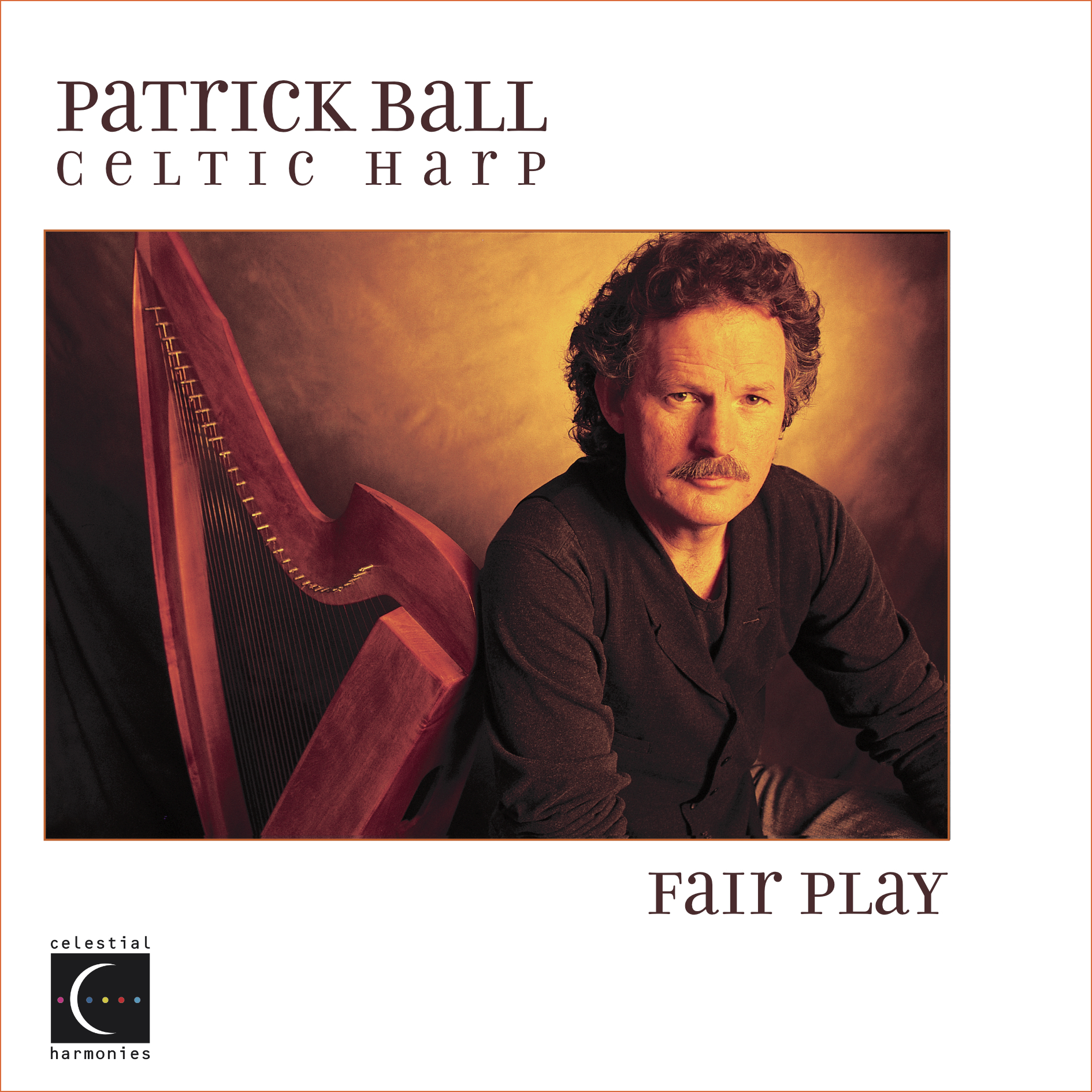
Fair Play is most likely titled so because the music is so genuinely fair in the truest sense of the word; unblemished, sunny, clear and lovely. It is very easy to understand why Patrick Ball is considered one of the world's premier Celtic Harpers as you listen to his selection of 14 tunes on this beautiful CD. The tunes are mostly gentle and evocative of a tranquil state. With a single instrument, a brass-strung harp, Ball draws on ancient traditions and his own dexterous skill to summon the harmonies of a magical world. This is a world of natural wonders and ethereal presences captured in melodic tunes written by the likes of Ireland's greatest composer, Turlough O'Carolan. The marvellous resonance of the Celtic Harp has a calming, nurturing effect and offers a richly spirited sound. Is it any wonder the Angels are said to play harps? The flowing quality of the music and deep tone will touch you like no other sound. Ball has collected a fine list of compostions to play here, some of them familiar, some quite rare. Lady Dillon by Turlough O'Carolan is a deftly complex work, sounding quite like something one may have listened to in the Court of the Sun King. All of Turlough O'Carolan's compositions have a timeless quality about them, and the selections played so exquisitely here may well summon up images of unicorns and virgins or oaks in the morning sun. Whatever images these reels may bring to your imagination they are sure to liberate a dram of calm in your life. A perfect restorative for the busy mind. At once romantic and stirring, the emotion and reach of the music is vast. Ball glides through the music in a way that makes this delicate operation seem easy, a mark of great skill. Some of the tunes are particularly sweet, such as Mountain of the Woman, Ned of the Hill, Roscommon Reel and The Little Child a Norwegian lullaby, provides a moving climax to what is a sure as you're born delight.
August 2002
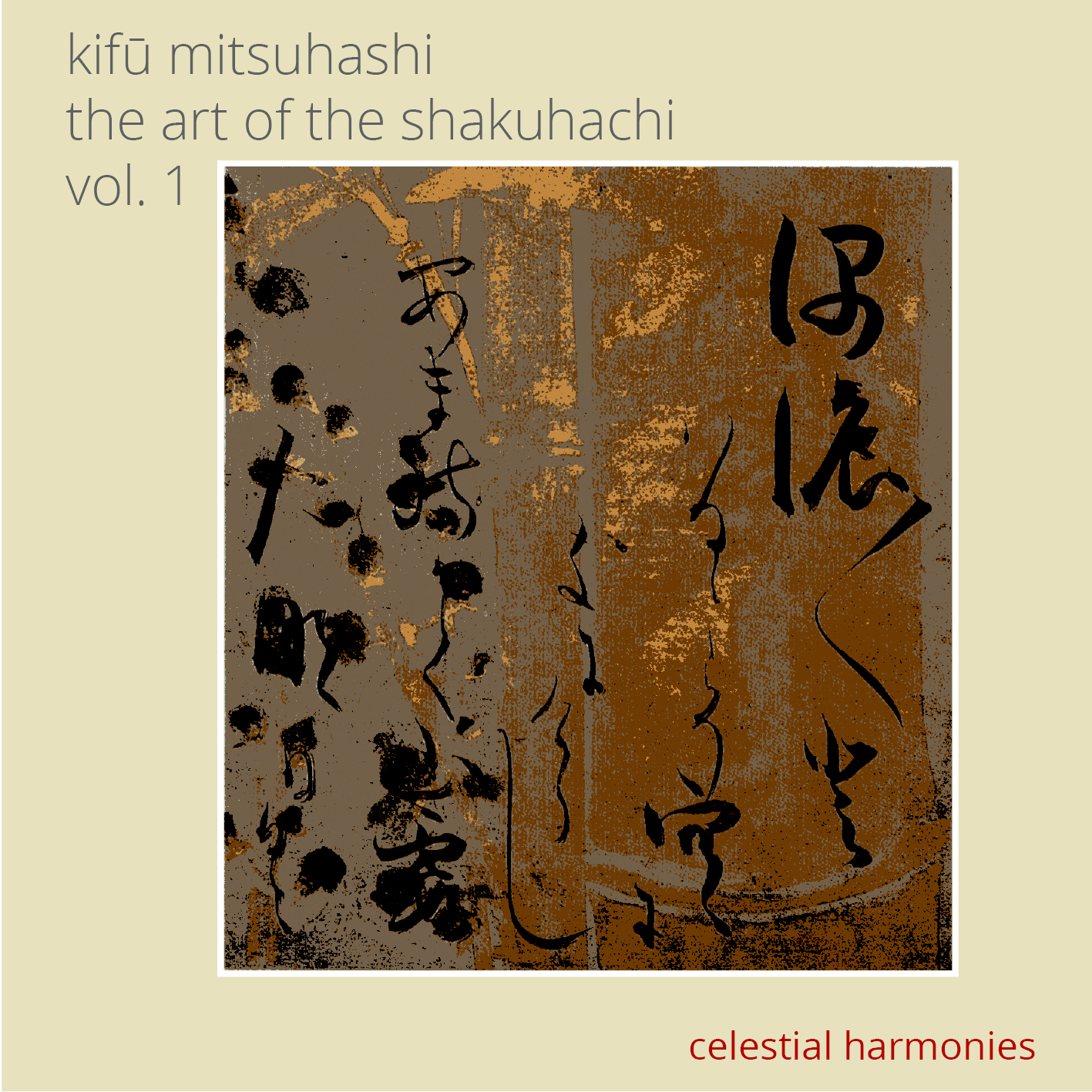
Kifu Mitsuhashi studies Kinko-school shakuhaci and the classic honkyoku repertoire of the Fuke school. He has been awarded the Prize for Excellence, and the Arts Festival Prize by the Agency for Cultural Affairs; easy to understand why when you listen to this album. In the (wonderful) tradition of all Celestial Harmonies releases this album has extensive notes in the cover to give you plenty of information about the artist and his instrument. If, like myself, you find some extra depth in the listening when you have insight into the history behind the movement you will find these notes enlightening. I have become a fan of the shakuhachi because of the full sound and great emotion it displays. It is both relaxing and medatitive certainly, but above all it is a touching sound that gets inside of you. Surviving a world filled with electronic sounds and the busy noise of passers by, this bamboo flute music is something of an oasis to be cherished. There are seven tracks, which make just over an hour of splendidly peaceful music listening. tsuru no sugomori is the longest track at 21 minutes. It means The crane settles into its nest and was played in Kyoto as early as the 17th Century. It depicts the life of a pair of cranes, said to live for one thousand years. It passes through a series of sections that have the birds building their nest, hatching their eggs, the chicks separating from the parents. Although the story element is completely abstract, the range of emotion felt in response to the music is aligned with such a life journey, and is truly beautiful material. Deep, moody, evocative. This is music that lifts the spirit as much as it relaxes the mind. Meditation surrounded by such awesomely pure sound is extremely satisfying. This is Volume 1 and so the suggestion that there is more to follow is quietly exciting. Getting a further insight into the history and development of works with the shakuhachi is something to look forward to. Other arrestingly tranquil tracks include choshi which, as a prelude allows the player to appraise his own breathing and examine the qualities of the instrument. Knowing this, one may use it as music to relax with, and take a deep breath. As background music the shakuhachi as played by Kifu allows moments of pause in a conversation, and you'll be amazed at how often people stop to listen. It is such a reflective and calming sound, I wonder if it should be played out in the world more often than it is. I can imagine using it in supermarkets and other busy places where it would probably go a long way in calming the savage shopper. Certainly in the home it is greatly useful for closing off the mad world outside. Peaceful, spiritual, steeped in a fascinating history and offering a deep connection with the soul, this is must have material. Extremely fabulous.
December 9, 2001 |
 |